
Protein quietly becomes one of the most important nutrients as we age, yet most older adults simply don’t get enough of it. This friendly guide breaks down exactly how much protein for seniors is ideal each day, where to find it on your plate, and the everyday habits that keep you strong, sharp and thriving in your golden years.
Table of Contents
- Let’s talk about the nutrient you’re probably missing
- How much protein do seniors really need each day?
- Why protein becomes non-negotiable with age
- The best protein sources for seniors (that actually taste good)
- Signs you might not be getting enough
- What daily habits improve senior wellbeing?
- Making healthy living effortless
- The bottom line
- Frequently Asked Questions
Let’s talk about the nutrient you’re probably missing
Here’s a question that doesn’t get asked often enough: are you eating enough protein? If you’re over 60, there’s a good chance the honest answer is no. Appetites shrink, cooking for one feels like a chore, and somewhere along the way, that second helping of dal quietly disappears from the plate.
The trouble is, protein isn’t a nutrient you can afford to skimp on as you get older. In fact, science is beginning to suggest the opposite of what many of us assume. We tend to think we need less food as we age. When it comes to protein, though, we actually need a little more. Let’s unpack why and what it means for your everyday meals.
How much protein do seniors really need each day?
Let’s get straight to the point. Most healthy older adults need about 1-1.2 grams of protein per kilogram of body weight per day. So if you weigh 60 kg, that works out to roughly 60 to 72 grams of protein daily. If you’re recovering from an illness, an injury or surgery, your needs may climb even higher, closer to 1.2 to 1.5 grams per kilogram.
To put that in perspective, the general adult recommendation sits at about 0.8 grams per kilogram. Seniors need noticeably more, and that’s the piece most people miss. Understanding the right amount of protein for seniors is genuinely one of the simplest, highest-impact changes you can make to your health after 60.
A quick, sensible caveat: if you have kidney concerns or any chronic condition, do check with your doctor or a dietitian before making big changes. These are general guidelines, not a one-size-fits-all prescription.
Why protein becomes non-negotiable with age
So why the sudden bump in requirements? It comes down to a natural process called sarcopenia, the gradual loss of muscle mass and strength that creeps in with age. From around 30, we start losing muscle every decade, and the pace picks up after 60. Less muscle means weaker legs, a wobblier balance and a much higher risk of falls.
Protein is the raw material your body uses to rebuild and maintain that muscle. Skimp on it, and your body struggles to keep up. But it isn’t only about muscle. Protein supports a strong immune system, helps wounds heal faster, keeps your bones sturdy and even helps you feel fuller for longer, which matters when appetites fade.
Pair a good protein intake with a little daily movement, and you’ve got a wonderfully effective recipe for staying independent.
The best protein sources for seniors (that actually taste good)
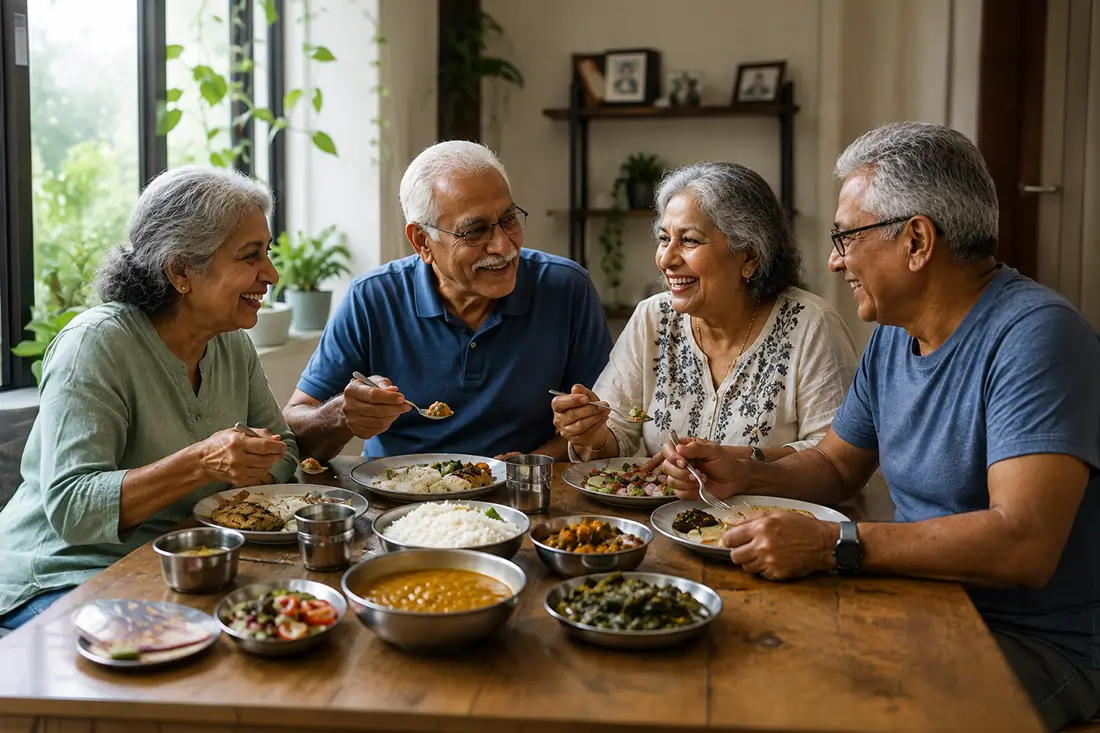
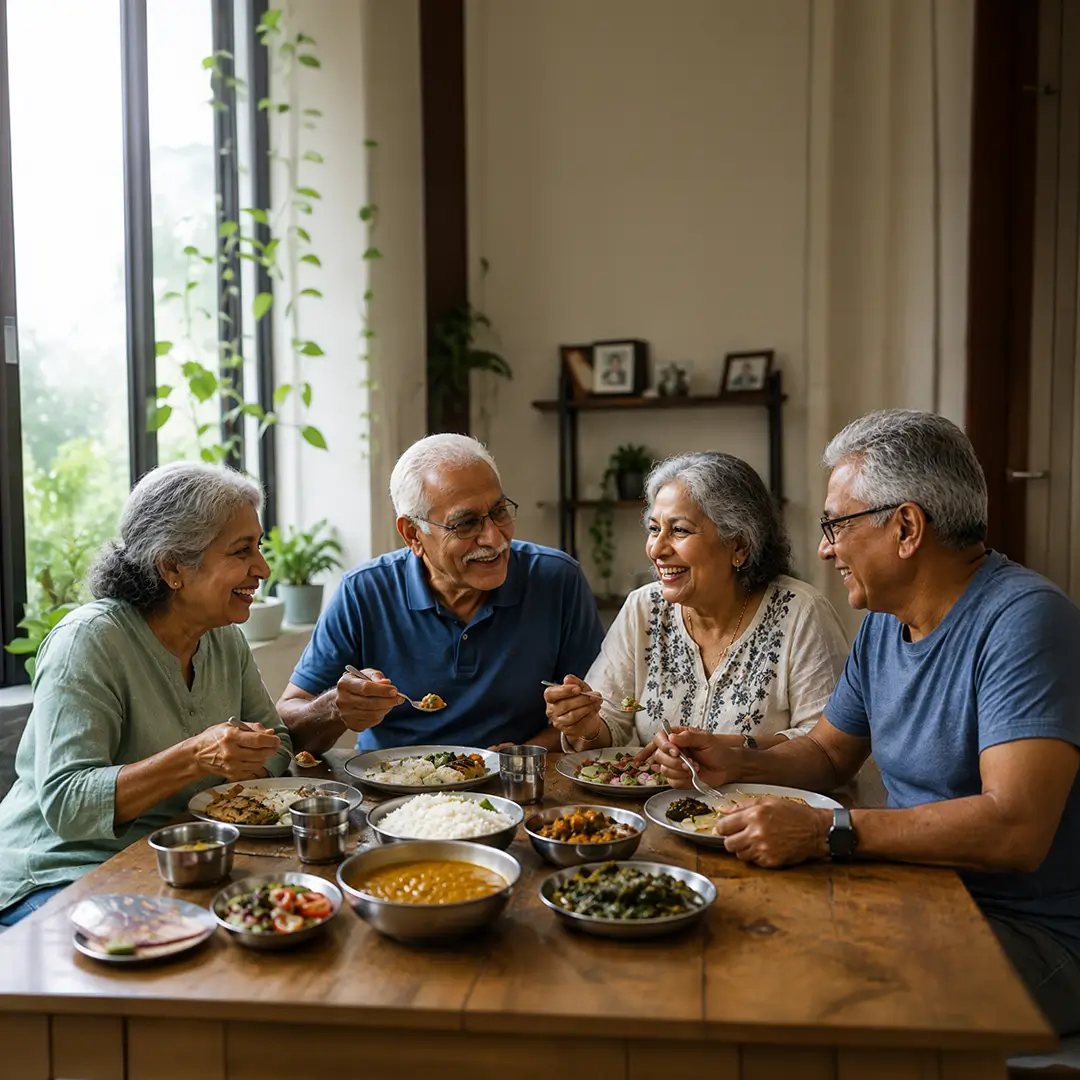
Good news: hitting your protein target doesn’t mean choking down bland supplements. Indian kitchens are brimming with delicious, protein-rich options. Think dal, rajma, chana and other pulses, a generous bowl of curd, paneer, eggs, a glass of milk, and soya or tofu. If you eat non-vegetarian food, fish and chicken are brilliant, easily digestible sources.
The real trick isn’t just what you eat; it’s when. Rather than piling all your protein into one meal, spread it across the day, a little at breakfast, lunch and dinner. Your body absorbs and uses protein far more efficiently that way. A besan chilla in the morning, dal and curd at lunch, and paneer or fish at dinner, and you’re already most of the way there.
Signs you might not be getting enough
How do you know if you’re falling short? Your body usually drops a few hints. Persistent tiredness, muscle weakness, a grip that isn’t what it used to be, hair that’s thinning, wounds that take an age to heal, and catching every cough and cold going around are all common signals. You might also notice you feel hungry again soon after meals.
None of these proves a protein problem on their own, of course, but if a few of them sound familiar, it’s well worth taking a closer look at your plate and having a chat with your doctor.
What daily habits improve senior wellbeing?
Protein is a big piece of the puzzle, but it isn’t the whole picture. The daily habits that most improve senior wellbeing are: eating balanced, protein-rich meals, staying properly hydrated, moving your body every day, nurturing social connections, getting quality sleep, soaking up a little morning sunlight for vitamin D, keeping your mind active and staying on top of regular health check-ups.
The magic is in the consistency, not the intensity. A brisk walk, a proper breakfast, a phone call to a friend, eight hours of sleep and ten minutes outdoors in the morning sun will do more for you over a year than any dramatic overhaul. Wellbeing in later life is built from small, repeated, joyful routines but not grand gestures.
That said, building those routines alone can feel like hard work, especially when every meal, every errand and every bit of company depends on you. This is exactly where the right environment can make all the difference.
Making healthy living effortless
This is where a thoughtfully designed senior living home quietly changes the game. At Primus Senior Homes, the healthy choice becomes the easy choice. Chef-prepared meals are balanced with the right protein for older adults, so you never have to count grams or cook for one again. There’s gentle daily movement, yoga, wellness sessions, and a warm community that keeps loneliness at bay.
In a well-run senior retirement community, the habits that support your wellbeing are simply built into everyday life, from nutritious food and on-call healthcare to companionship and things to look forward to. You get to focus on living well, while the practical bits are handled for you. That’s the real luxury of a modern senior living home: freedom, care and community, all under one roof.
The bottom line
Protein might be the most underrated nutrient in your later years. Aim for that 1 to 1.2 grams per kilogram, spread it across your meals, lean on wholesome Indian staples, and layer in a few consistent daily habits. Do that, and you’re giving yourself the best possible shot at strong muscles, sharp days and a genuinely vibrant retirement. Your future self will thank you for it.
Frequently Asked Questions
1. How much protein do seniors need every day?
Most healthy older adults need around 1 to 1.2 grams of protein per kilogram of body weight daily. For a 60 kg person, that’s roughly 60 to 72 grams. Those recovering from illness or surgery may need more. Always check with your doctor for advice tailored to you.
2. What are the best protein sources for seniors?
Excellent, easily digestible options include dal, rajma, chana, curd, paneer, milk, eggs, soya and tofu. If you eat non-vegetarian food, fish and chicken are brilliant too. Spreading these across breakfast, lunch and dinner helps your body use the protein far more effectively than one large serving
3. Can seniors get enough protein from a vegetarian diet?
Absolutely. Pulses, dal, paneer, curd, milk, soya, tofu, sprouts and nuts make it entirely possible to meet your protein needs on a vegetarian diet. The key is variety and eating a protein source with every meal, rather than relying on a single dish to do all the heavy lifting.
4. What daily habits improve senior wellbeing?
Eat balanced, protein-rich meals, stay hydrated, move a little every day, nurture friendships, sleep well, get some morning sunlight, keep your mind active and attend regular health check-ups. Consistency matters more than intensity. Small, repeated routines add up to a stronger, happier and more independent life.
5. How does a senior living home support healthy eating?
A good senior living home like Primus, offers chef-prepared, nutritionally balanced meals with the right protein for older adults, so you never cook alone or count grams. Additionally, daily wellness activities, on-call healthcare support 24×7, a warm community makes healthy living genuinely effortless.