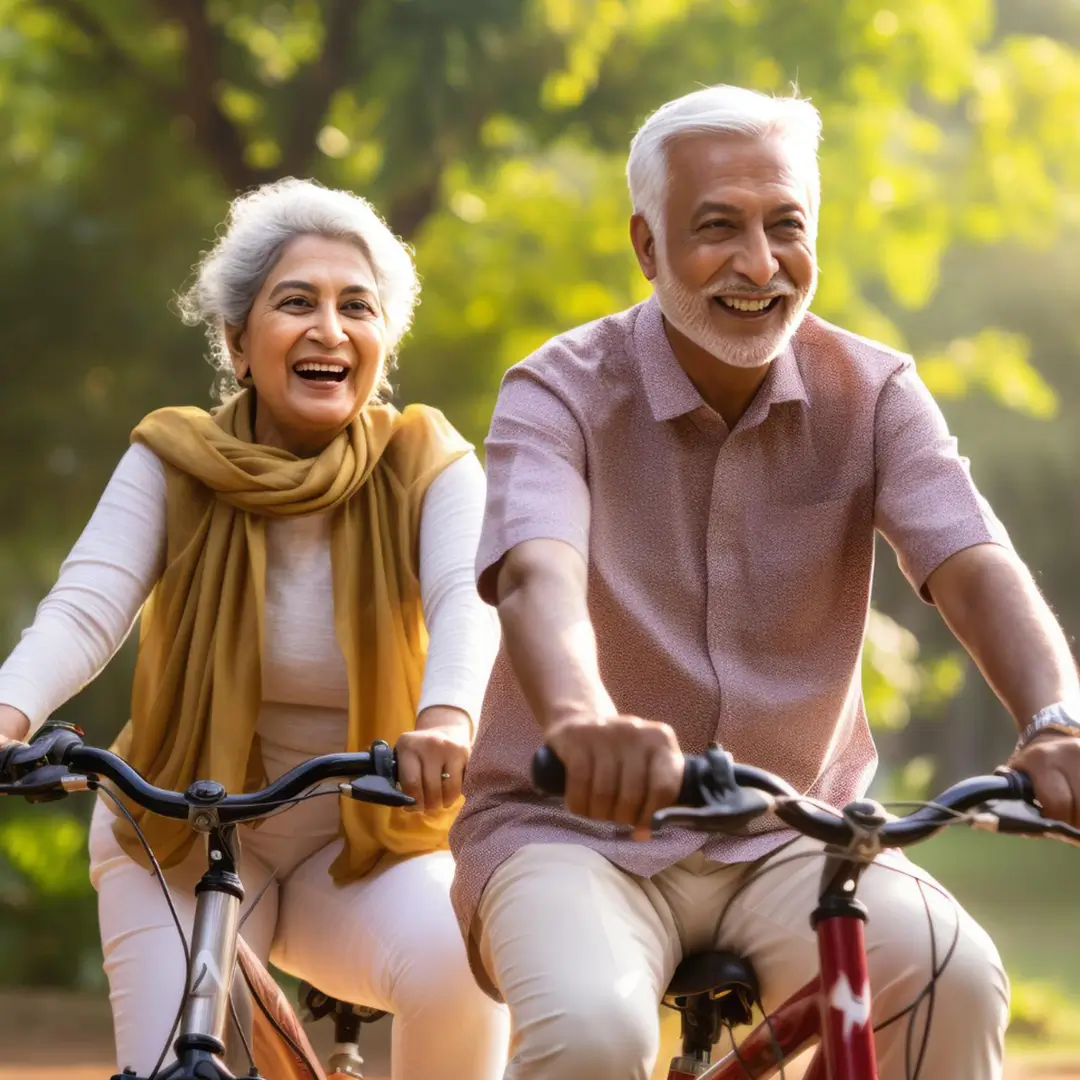
This blog looks at how senior living communities support healthspan, the number of years someone lives in good health, rather than simply lifespan. It covers the daily habits, nutrition, and social structure that tend to make the biggest difference, along with the role emergency preparedness plays in protecting the gains made elsewhere. Towards the end, it looks at how retirement communities in Kolkata, specifically Primus Ganges, put this into practice.
Table of Contents
- What Healthspan Actually Means
- Movement and Structure as Daily Habits
- Nutrition Built Around Ageing
- Social Connection as a Health Factor
- Emergency Preparedness and Why It Matters
- How Physical Design Affects Long-Term Health
- Primus Ganges in Kolkata
- Conclusion
- Frequently Asked Questions
What Healthspan Actually Means
Lifespan measures how long someone lives. Healthspan measures how many of those years are spent in reasonably good health, mobile, independent, and free of the chronic complications that often accompany the later decades of life. The gap between the two can be significant. Many people live well into their eighties or nineties, but the final years are frequently marked by declining mobility, cognition, and an excessive dependence on caregivers.
Closing that gap has become a genuine focus of research into ageing, and much of what improves healthspan turns out to be less about medicine and more about environment: how someone moves through their day, what they eat, who they interact with, and how quickly help arrives when something goes wrong.
Movement and Structure as Daily Habits
Ageing well tends to depend less on intense exercise and more on consistent, low-impact movement worked into daily life. A morning walk, a stretching session, light resistance training- none of these require athletic ability, but they do require structure. Left entirely to individual motivation, these habits often fade, particularly for people living alone.
Well-designed senior living communities build movement into the day rather than leaving it to chance. Scheduled yoga sessions, walking paths designed specifically for older residents, and organised group activities all remove the burden of self-motivation. The result tends to be residents who stay physically active simply because it’s built into their surroundings, not because they’ve committed to a personal fitness regimen.
Nutrition Built Around Ageing
Nutritional needs change with age in ways that are easy to overlook when someone is cooking for themselves. Protein requirements often increase even as appetite decreases. Certain micronutrients become harder to absorb. Meals cooked out of habit rather than nutritional planning can quietly contribute to muscle loss and reduced energy over time.
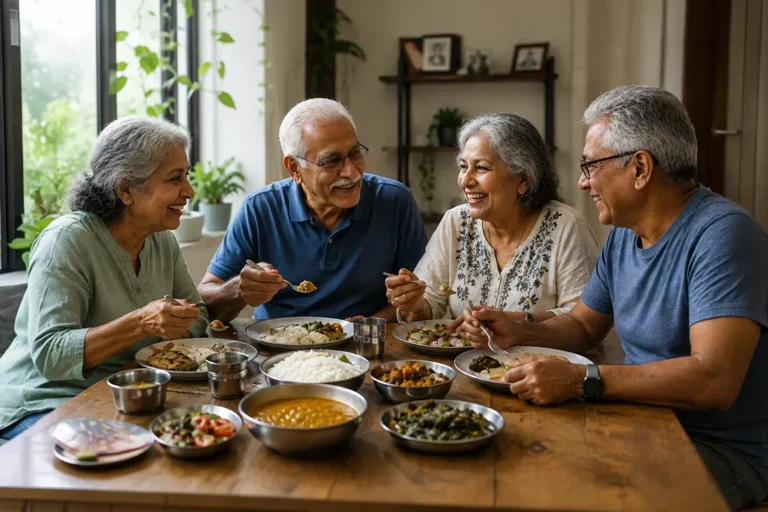
Communities that provide chef-prepared, nutritionist-guided meals remove much of this risk. Meals planned around senior nutritional needs, rather than convenience, support muscle maintenance, energy levels, and overall resilience in a way that’s difficult to replicate through individual effort alone, particularly for residents managing this on their own for the first time after years of shared household cooking.
Social Connection as a Health Factor
Isolation is now recognised as a genuine health risk for older adults, with research linking prolonged loneliness to outcomes comparable to more familiar risk factors like smoking or physical inactivity. This isn’t a minor lifestyle consideration. It measurably affects cognitive decline, cardiovascular health, and even mortality.
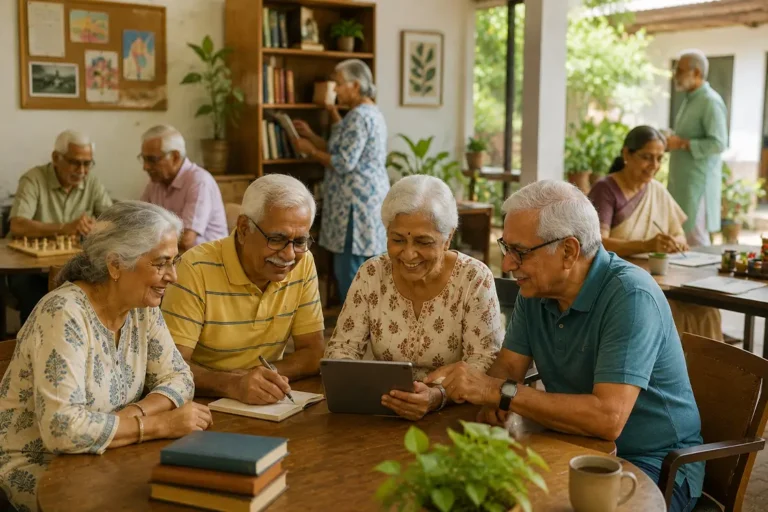
Communities built around shared spaces, communal dining, hobby clubs, and regular social programming directly address this. Residents aren’t required to seek out company; it exists around them by design. Over time, this steady, low-effort social contact appears to do real protective work for both mental and physical health.
Emergency Preparedness and Why It Matters
None of the above matters much if a fall, a cardiac event, or a sudden health decline goes unnoticed or unaddressed for too long. Emergency preparedness in senior living isn’t just about having a first-aid kit somewhere on the premises. It typically includes emergency call systems installed in individual homes, on-site or on-call medical staff, and clear protocols for getting a resident to appropriate care quickly.
This matters because response time genuinely changes outcomes, particularly for falls and cardiac events, where delays of even an hour can meaningfully worsen recovery. A resident living independently at home may not have anyone nearby to notice a problem for hours. In a well-prepared community, help can typically be reached within minutes. This single factor, quiet and rarely discussed compared to nutrition or fitness, may do as much to protect long-term health as the daily wellness programming that gets far more attention.
How Physical Design Affects Long-Term Health
Falls remain one of the leading causes of serious injury and hospitalisation among older adults, and a disproportionate number happen at home, often in bathrooms or on stairs. Anti-skid flooring, grab rails, threshold-free entryways, and barrier-free layouts aren’t cosmetic features. They directly reduce the chance of an injury that could otherwise trigger a steep decline in independence and overall health.
Good senior housing design treats these details as foundational rather than optional, built in from the start rather than retrofitted after an incident.
Primus Ganges in Kolkata
Primus Ganges, part of the 55-acre Srijan Ganga City township in Kolkata, brings several of these principles together in a single community. Its design draws inspiration from the World’s Blue Zones, regions known for above-average longevity, built around movement, nutrition, and social connection rather than any single intervention. Residents have access to nutritionist-guided, chef-crafted meals, wellness programming, and riverside walking spaces as part of daily life rather than optional extras.
On the safety side, each apartment includes anti-skid flooring, grab rails, and emergency systems, alongside 24×7 medical assistance, routine health monitoring, and access to on-site healthcare professionals. As one of the more considered retirement communities in Kolkata, Primus Ganges also takes a multi-generational approach, placing senior residences within a broader township rather than isolating them from family and community life.
Conclusion
Improving healthspan rarely comes down to one intervention. It’s the combination of daily movement, proper nutrition, genuine social connection, and a physical environment built to prevent injury, all supported by the kind of emergency preparedness that ensures a health issue gets addressed quickly rather than discovered too late. Well-designed senior living communities bring these elements together in a way that’s difficult to replicate living independently, which is a large part of why they’ve become a genuine, forward-looking choice rather than a fallback option.
Frequently Asked Questions
1. What’s the difference between healthspan and lifespan?
Lifespan is simply how long someone lives. Healthspan measures how many of those years are spent in good health with one’s independence and mobility intact.
2. Why does emergency preparedness matter for healthspan specifically?
A quick response time in the case of an emergency event is of vital importance. There are significantly better recovery prospects when help arrives quickly, which is harder to guarantee for someone living entirely alone.
3. Do senior living communities actually improve one’s nutrition compared to living independently?
Often, yes, and particularly for residents who previously cooked for themselves without adjusting for age-related nutritional needs. Nutritionist-guided meal planning tends to be more consistent than ad hoc home cooking.
4. How important is social connection when it comes to long-term health in older age?
Research has linked prolonged loneliness in older adults to health outcomes comparable to more established risk factors, making regular social interaction a meaningful part of healthy ageing.
5. What should families look for in retirement communities in Kolkata specifically?
Beyond location and amenities, it’s worth checking for senior-specific safety design (anti-skid flooring, grab rails), on-site medical support, and genuine emergency response systems, since these directly affect how well health issues are managed before they become serious.