
A senior-friendly home combines safety, comfort and independence. The key features are non-slip flooring, grab bars, good lighting, step-free access, wider doorways, accessible kitchens and bathrooms, emergency alert systems and smart safety technology. This guide explains each feature and how purpose-built homes like Primus bring them together.
Table of Contents
- Why Does Senior-Friendly Design Matter?
- 12 Features Every Senior-Friendly Home Should Include
- How Does Primus Design Homes for Safe Ageing?
- FAQs
Why Does Senior-Friendly Design Matter?
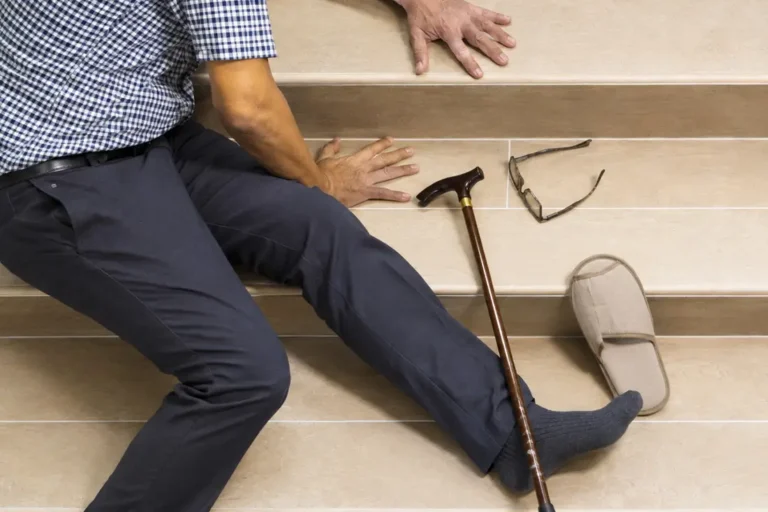
Most of us never think twice about a step at the front door or a slippery bathroom floor. As we grow older, though, these small details start to matter a lot. Falls are among the most common causes of injury in older adults, and many of them happen at home.
That’s where senior-friendly home design comes in. It isn’t about making a home look clinical. It’s about thoughtful choices that keep older adults safe, independent and comfortable for longer.
12 Features Every Senior-Friendly Home Should Include
So, what features should a senior-friendly home include? Here are the twelve that make the biggest difference.
1. Anti-Skid Flooring
Smooth tiles and polished floors become risky with age, especially when wet. Anti-skid flooring adds grip underfoot and is the foundation of good fall prevention design. It matters most in bathrooms, kitchens and balconies.
2. Grab Bars and Handrails
Sturdy grab bars beside beds and handrails along corridors and staircases offer support exactly where balance is tested. Handrails along corridors and staircases add steady support as you move around the home and community.
3. Step-Free Entrances and Thresholds
Raised thresholds and entrance steps are easy to trip over. Level transitions between rooms and ramps where needed make it easier to move freely, whether on foot, with a walker, or in a wheelchair.
4. Wider Doorways and Corridors
Wider doorways and passages allow easy movement with mobility aids and make it simpler for caregivers to assist when needed. They’re a core principle of universal design for seniors, which plans spaces that work for every age and ability.
5. Bright, Even Lighting
Ageing eyes need more light. Well-lit rooms, glare-free fixtures and illuminated switches reduce the risk of misjudging a step or a corner, particularly at night.
6. Motion-Sensor Night Lights
A late-night walk to the bathroom is when many falls happen. Motion-sensor lights switch on automatically, so no one has to fumble in the dark for a switch.
7. Senior-Friendly Bathrooms
The bathroom deserves special attention. Walk-in showers, shower chairs, non-slip mats, sturdy grab bars and comfortable toilet heights turn a high-risk room into a safe and relaxing one.
8. Accessible Kitchen Counters
Counters at a comfortable height, easy-to-reach storage and lever-style taps reduce bending and stretching. Cooking stays enjoyable, rather than becoming a strain.
9. Emergency Alert Systems
Emergency panic buttons in living rooms, bedrooms, and bathrooms mean help is only a press away. For seniors living alone, this simple feature brings enormous peace of mind to them and their families.
10. Smart Safety Technology
Smoke and gas leak sensors, fall-detection systems and video door phones add an extra layer of protection. Technology quietly keeps watch, so residents can live with confidence.
11. Easy-to-Use Fixtures and Furniture
Lever handles instead of knobs, rocker light switches, and furniture at a comfortable height are easier on ageing hands and joints. Small swaps, big difference.
12. Clutter-Free, Open Layouts
Open layouts with clear walking paths reduce trip hazards and make every room easier to navigate. Less clutter also means less cleaning, which most of us appreciate at any age.
How Does Primus Design Homes for Safe Ageing?
Adding these features to an existing home can be costly and time-consuming. That’s why many families are choosing purpose-built senior living apartments instead.
At Primus, homes for residents aged 55 and above are designed with safety built in from day one. Features include anti-skid tiles, grab bars and railings, grab bars in toilets, emergency panic buttons, light sensors, and accessible kitchen counters. Select homes also include smart features such as fall-detection, smoke and gas-leak sensors.
Beyond the home itself, residents enjoy healthcare support, housekeeping, in-house dining and a vibrant community life. It’s senior-friendly living, done thoughtfully and completely.
A safe home isn’t just about avoiding accidents. It’s about giving older adults the freedom to live fully, on their own terms.
FAQs
1. What features should a senior-friendly home include?
A senior-friendly home should include anti-skid flooring, grab bars, handrails, step-free entrances, wider doorways, bright lighting and motion-sensor night lights. Accessible kitchens and bathrooms, emergency alert systems and smart safety sensors complete the picture, helping older adults live safely and independently.
2. What is fall prevention design?
Fall prevention design uses features that reduce the risk of slips and trips at home. These include anti-skid floors, grab bars, handrails, level thresholds, good lighting and motion-sensor night lights. Together, they make everyday movement safer, especially in bathrooms, corridors and bedrooms.
3. What is universal design for seniors?
Universal design for seniors creates spaces that are easy to use for people of all ages and abilities. It includes wider doorways, step-free access, lever handles, accessible counters and open layouts. The goal is a home that stays comfortable and practical as needs change over time.
4. Are senior living apartments safer than regular homes?
Senior living apartments are purpose-built with safety features already in place, such as grab bars, anti-skid floors and emergency buttons. Many also offer on-site healthcare and round-the-clock security. This removes the effort of retrofitting a regular home and gives families greater peace of mind.
5. Can an existing home be made senior-friendly?
Yes. Many features, such as grab bars, non-slip mats, brighter lighting and motion-sensor lights, can be added to existing homes. Larger changes like wider doorways or step-free entrances may need renovation. For a complete solution, purpose-built senior living homes include these features from the start.