
Active senior living in India means independent seniors living in private homes within communities that offer hospitality services, health support and a lively social calendar. An old age home focuses mainly on shelter and basic care. This blog explains how active senior living differs from an old age home, and why more retirees are choosing it.
Table of Contents
- What Does Active Senior Living Look Like in India?
- How Is an Old Age Home Different?
- Active Senior Living vs Old Age Home: A Quick Comparison
- Why Today’s Retirees Are Choosing Differently
- How Primus Brings an Active Lifestyle to Senior Living Homes
- FAQs
Active senior living is about living well. An old age home is mostly about being looked after.
In an active senior living community, you live in your own home, set your own routine and choose how you spend your day. Help is there when you need it. An old age home usually offers a room, meals and basic care, with less personal space and less say over daily life. Both serve a purpose. They simply suit very different people.
What Does Active Senior Living Lqook Like in India?
Picture a regular Tuesday. You wake up in your own apartment, take a morning walk through landscaped gardens and join your neighbours for chair yoga. Breakfast, lunch, and dinner are at the community restaurant, so there’s no cooking unless you fancy it. The afternoon might bring an art class or some hobby gardening, and the evening a karaoke or game session or a quiet book on your balcony.
That’s the active lifestyle at senior living homes in a nutshell. Nobody tells you what to do. You just have plenty of good options within a space designed for senior living.
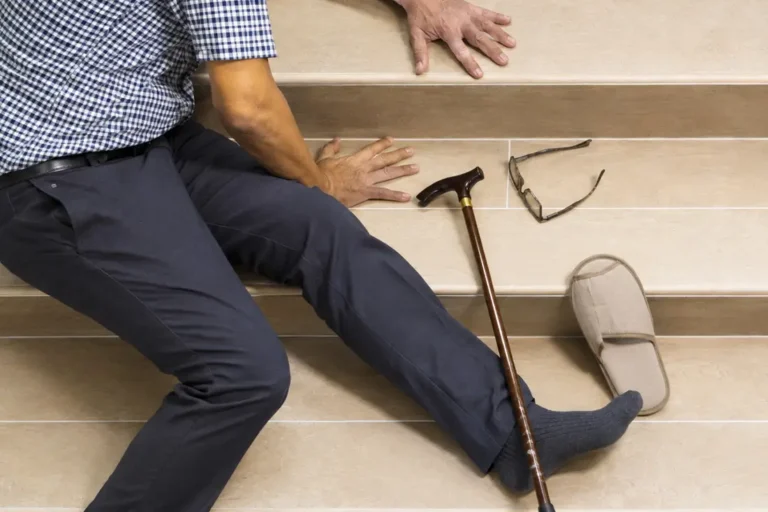
Most active senior living communities in India offer senior-friendly homes with anti-skid floors and emergency buttons, housekeeping and in-house dining, on-site health support, and a full calendar of events and festivals. Retirement here isn’t the end of something. It’s a fresh chapter with more free time to enjoy the things that matter and fewer chores.
How Is an Old Age Home Different?
An old age home is built around care and shelter. Many are run by charities or trusts, and they do valuable work, especially for seniors who need full-time help or lack family support.
The experience, though, is quite different. Rooms are often shared, and meals, wake-up times and activities follow a fixed schedule. Residents rarely own their space, and personal choice usually takes a back seat. For many Indian families, the phrase “old age home” also carries a sense of being left behind, which is why so many retirees now want something that feels like home.
Active Senior Living vs Old Age Home: A Quick Comparison
| Aspect | Active Senior Living | Old Age Home |
| Living space | Private home or apartment | Often shared rooms |
| Daily routine | Set by the resident | Fixed by the facility |
| Focus | Independence, community, and safety | Shelter and basic care |
| Social life | Events, clubs and outings | Limited |
| Who it suits | Independent seniors aged 55+ | Seniors needing full-time support |
Why Today’s Retirees Are Choosing Differently
So, what’s changed? Quite a lot, actually.
People are living longer and healthier lives. Many 60-year-olds today feel far younger than their parents did at that age, and sitting at home all day simply doesn’t appeal.
Families look different now. Children often live in other cities or abroad, and even those at home usually work long hours, leaving early and returning late. Parents don’t want to depend on them, but they don’t want to spend their days alone either.
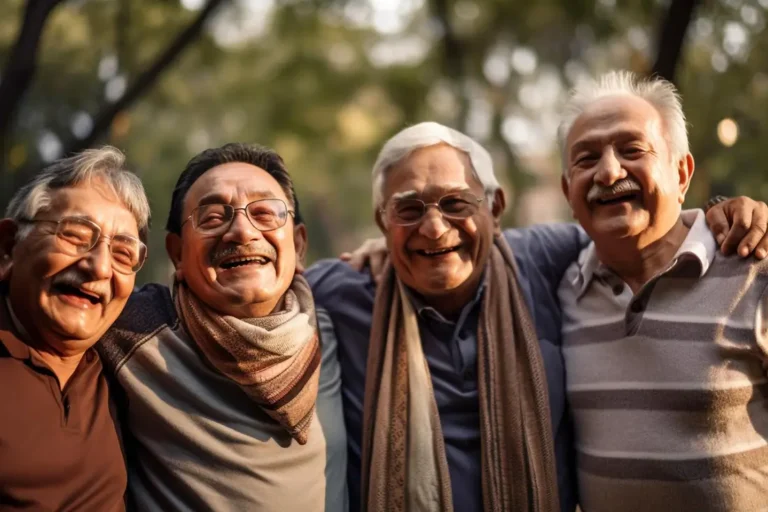
Loneliness is a real concern. Active senior living tackles it head-on, with friendly neighbours, shared meals and group activities right outside the door.
Retirees want control and dignity. They want on-call nurses and emergency buttons, but they don’t want to feel like patients. Active senior living strikes that balance in a way a traditional old age home rarely does.
How Primus Brings an Active Lifestyle to Senior Living Homes
At Primus, the active lifestyle at senior living homes isn’t an add-on. It’s the whole idea.
Residents aged 55 and above live in their own senior-friendly homes across communities in Bangalore, Chennai, Mumbai, Kolkata and Hyderabad. Homes come with anti-skid tiles, grab bars, emergency panic buttons and two peepholes, with video door phones available as an optional add-on.
A dedicated resident engagement team keeps life lively. They plan morning walks, chair yoga, art classes, day trips and festival celebrations throughout the year. The in-house restaurant handles meals, and housekeeping takes care of the chores.
For health, residents have nursing support for basic medical care, an ambulance on standby, physician visits and physiotherapy. Seniors enjoy their independence, and families know help is never far away.
The best way to decide is simple: visit a community, meet the residents and see how it feels.
FAQs
1. Why are more Indian retirees choosing active senior living over an old age home?
Retirees today are healthier, more independent and less likely to live with their children. They want company of like-minded people, safety and convenience without giving up control over their lives. Active senior living offers private homes, social activities and support on call, which feels far closer to home than an old age home.
2. How do I know whether my parent suits active senior living or assisted senior living?
Start with their daily independence. If your parent manages most routines, enjoys company and wants fewer chores, active senior living is a natural fit. If they need constant supervision or intensive medical care, a care-focused facility may suit them better. A community visit often makes the answer clear.
3. Does moving to active senior living mean giving up independence?
Not at all. In fact, it often brings more independence. Residents live in their own homes, plan their own days and come and go as they please. With housekeeping, meals and maintenance handled, they spend less time on chores and more time on hobbies, friends and family.
4. Is an active lifestyle at senior living homes good for health?
Yes. Regular movement, social interaction and mental stimulation all support healthy ageing. An active lifestyle at senior living homes builds these into everyday life through walks, yoga, classes and community events. Staying engaged also helps reduce loneliness, which is a growing health concern among older adults living alone.
5. Can families stay involved once a parent moves into active senior living?
Absolutely. Children and grandchildren can visit, join festivals and spend time together as often as they like. Better still, at Primus, the whole family can live together. Primus Sangama in Bangalore is a multigenerational community where seniors and their loved ones live in the same community while keeping their own space.