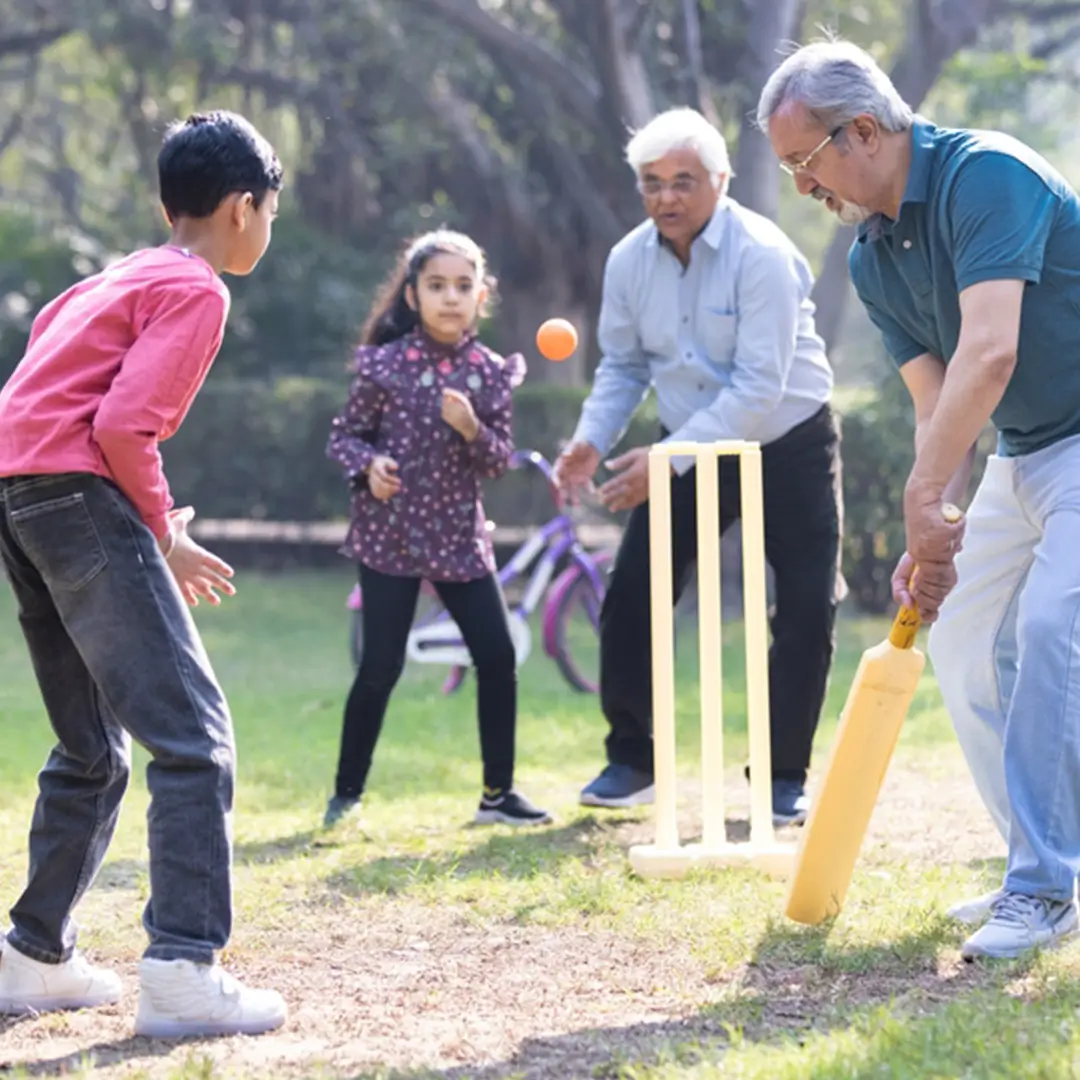
The concept of family is slowly but surely evolving in today’s fast-paced urban landscape. With tighter schedules and generations often leading separate lives, the importance of fostering meaningful connections within families has never been clearer. In India, many are embracing the magic and bliss of shared experiences, moments that bridge age gaps and reinforce familial bonds to help create lasting memories.
Intergenerational activities offer a powerful way to cultivate these connections, allowing children, adults and seniors to engage in enriching experiences. These interactions prioritise joy, enhance emotional well-being, promote cultural continuity and instil a deep sense of belonging within the family unit.
Primus communities, especially in vibrant multi-generational living spaces like Sangama, have intentionally integrated these opportunities into daily life. With thoughtfully designed community layouts and diverse activity programs, every corner of these communities encourages families to learn, play, grow and reconnect with one another.
In this blog, we’ll delve into the significance of intergenerational experiences, explore effective activities to engage all age groups and showcase how spaces like Sangama nurture families as they thrive together.
Why Intergenerational Activities Matter Today
Family life today is very different from what it used to be. While once the ‘big, happy family’ concept was popular, nuclear families are on the rise now, often with dual-income households and increasingly busy routines. Even if generations live together, they rarely ever truly interact. Intergenerational activities help reverse this by creating opportunities for meaningful connection. A few of the reasons that shared experiences matter so much are:
Stronger Family Bonds
When generations engage in a collective task, whether it is cooking a meal or playing a board game, communication becomes easier and more natural. Children develop trust and emotional security, while seniors feel valued and included.
Cultural Transfer and Storytelling
Seniors carry a lifetime of stories, and through shared activities, children can learn about traditions, rituals and cultural tales that might not be found in textbooks.
Lifelong Skills Development
Children learn empathy, patience and emotional intelligence while seniors benefit from mental stimulation and social interaction. The intergenerational activities also help individuals find healthier ways to balance responsibilities with family time.
Reduced Loneliness Among Older Adults
Interaction with younger family members provides joy, purpose and a renewed sense of engagement among seniors, thereby helping curb the feeling that they are alone.
Overall Family Wellbeing
Families who take part in shared experiences report lower stress levels and stronger relationships.
Activities That Bring Generations Together
Intergenerational activities work best when they are simple, natural and enjoyable. The goal is not perfection but connection. Here are some activities that consistently create meaningful bonds.
Cooking and Sharing Family Recipes
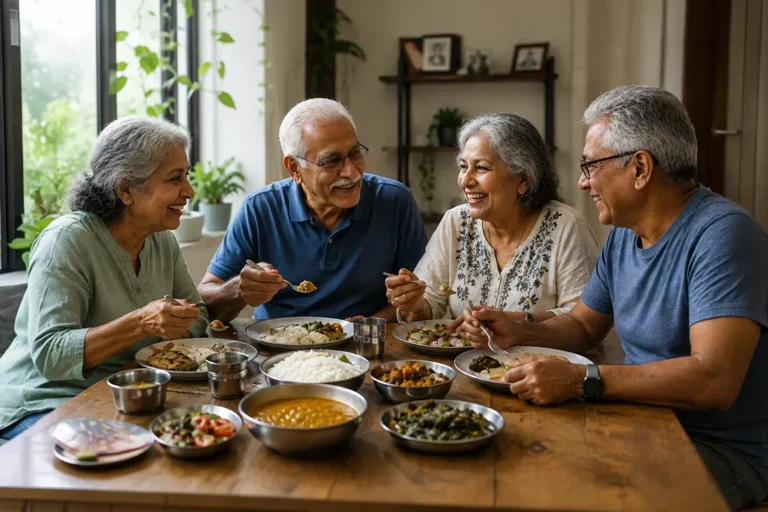
As mentioned above, teaching a child how to prepare a traditional dish or make a dessert together becomes a moment of learning and joy. Seniors share the history behind recipes, while younger members bring creativity to the kitchen. At Sangama, community kitchens and dining areas support family cooking sessions and festive gatherings.
Gardening and Nature-Based Activities
Gardening is calming and collaborative. It can be a great activity to do with people from different age groups, as seniors bring experience, while children and adults bring curiosity and support. Gardening also helps teach responsibility and mindfulness. The gardens at Sangama often become spaces where grandparents introduce children to nature and its rhythms.
Creative Workshops
Activities like painting, knitting, pottery, music, and dance create the perfect space for self-expression. Seniors often share traditional art forms while younger members introduce new techniques. Sangama hosts regular workshops that welcome individuals of all age groups.
Wellness Routines
Yoga, walking clubs, stretching, meditation and family fitness sessions promote health and togetherness. Wellness lawns, tracks and fitness spaces at Sangama make family wellness easy and enjoyable.
Skill Sharing Sessions
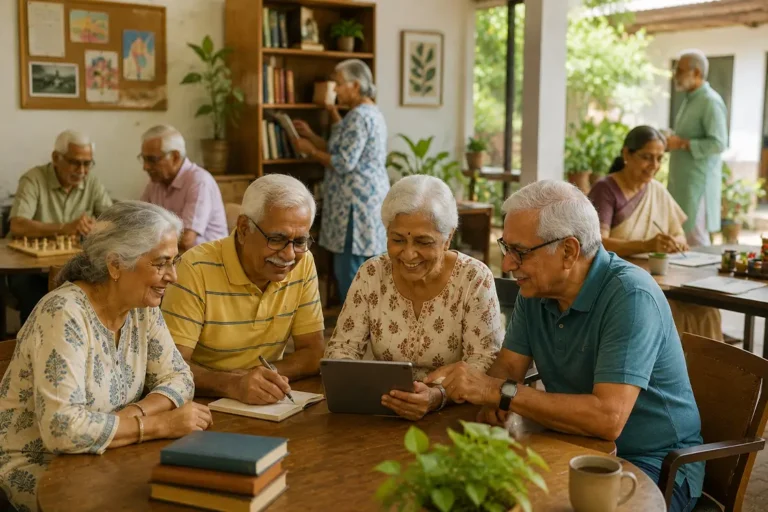
Intergenerational learning is a powerful tool. Seniors teach stories, languages and life skills while younger members help with digital tools, apps and technology. These interactions support confidence across age groups.
Games and Recreation
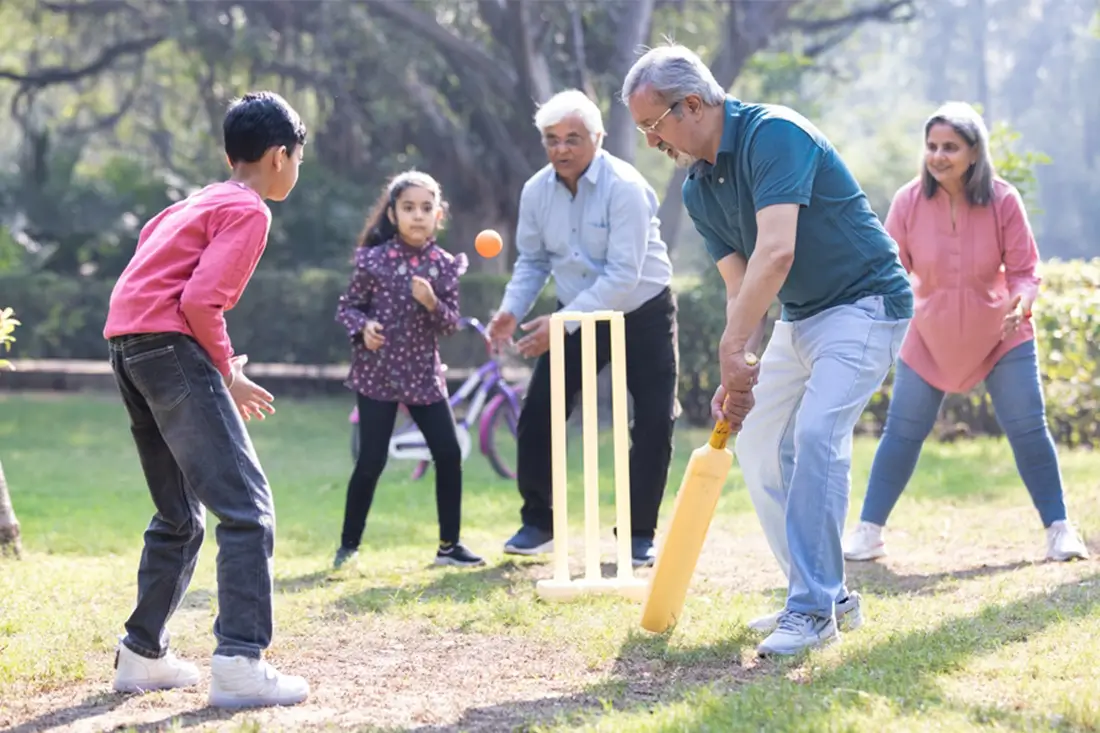
Board games, carrom, chess, puzzles, karaoke and family sports are the simplest yet purest way to unwind and connect. Recreation spaces at Sangama are created for spontaneous play that strengthens family ties.
Festivals, Celebrations and Rituals
Indian festivals naturally bring generations together. Decorating, preparing traditional foods and performing rituals help families create shared memories. Sangama’s event calendar ensures families celebrate together throughout the year.
How Sangama Makes Intergenerational Living Natural and Effortless
Many families today aspire to spend more meaningful time together, but daily routines, professional commitments and limited living spaces often make intentional connection difficult. Sangama responds to this modern dilemma by creating environments where interaction between generations happens naturally as part of everyday life. Thoughtfully planned common spaces, such as landscaped gardens, lounges, hobby rooms and community halls, serve as informal gathering points where family members of all ages can come together without effort. These shared areas encourage spontaneous conversations, shared moments of leisure and a steady rhythm of interaction that strengthens relationships over time.
Alongside spatial design, Sangama also integrates curated activity programmes that support intentional bonding. Workshops, cultural events, wellness sessions and celebrations are organised to bring residents together around shared interests and collective experiences. These activities offer structure without pressure, allowing children, adults and seniors to participate at their own pace while building emotional connection. By creating opportunities for learning, recreation and celebration within the community, Sangama ensures that shared experiences become a consistent part of family life rather than an occasional occurrence.
Every environment in Sangama is designed to be safe, accessible and comforting for all ages, enabling families to move freely and engage without constraints. Services such as housekeeping, dining, maintenance and concierge support ease everyday responsibilities, reducing stress and freeing up valuable time. At the core of Sangama is a philosophy that places connection at the heart of community living, where learning, engagement and recreation are seamlessly woven into daily routines, allowing intergenerational relationships to grow in a natural and meaningful way.
The Power of Shared Experiences in Multi-Generational Living
When families live in environments that support connection, the impact is remarkable. Children grow up emotionally secure, adults feel supported, and seniors experience a renewed sense of dignity and purpose. Intergenerational activities help families build stronger relationships and preserve values across generations. Communities like Sangama show that families learn, live, and grow together.
Conclusion
Intergenerational living is more than sharing a home; it’s about sharing life. Through meaningful shared experiences, families rediscover connection, joy and belonging. Sangama embodies this approach with thoughtful design, purposeful activities and a commitment to bringing generations together. In a world where connection is becoming rare, environments that nurture togetherness are invaluable.
FAQs
1. What are intergenerational activities?
Intergenerational activities are experiences where seniors, adults and children participate together, such as cooking, gardening, storytelling, workshops, games or wellness routines.
2. Why are shared experiences important for families?
Shared experiences strengthen communication, build trust and create emotional memories that bring generations closer.
3. How does Sangama support intergenerational living?
Through designed spaces, programmes, inclusive environments and supportive services that make togetherness effortless.
4. What are the benefits for seniors?
Seniors experience reduced loneliness, improved cognitive health, physical activity and emotional fulfilment when regularly interacting with younger generations.
5. Are these activities structured or informal?
Sangama offers both scheduled programmes as well as open spaces where natural, spontaneous interaction can happen.