
Quick Summary
- Gentle daily movement supports independence and is central to effective senior healthcare.
- Low-impact exercises like walking, stretching, and chair-based moves are ideal starting points for seniors.
- Balance-focused activities reduce fall risk and can delay reliance on intensive elderly care services.
- A simple, protein-rich, fibre-rich diet helps maintain strength and supports overall senior healthcare goals.
- Soft, easy-to-chew foods and adaptable textures keep meals safe and enjoyable for older adults.
- Steady hydration through small, regular drinks is a quiet but vital part of senior healthcare.
- Family involvement plus well-chosen elderly care services provide structure, safety, and encouragement.
- Sustainable routines grow from small, realistic changes that respect the senior’s comfort and preferences.
Table Of Contents
- Why movement matters in senior healthcare
- Gentle exercises seniors can start today
- Everyday nutrition foundations for older adults
- Hydration, snacking, and mealtime routines
- How family and elderly care services can help
- Where Primus properties fit into senior healthcare
- Building a sustainable, senior-friendly routine
- FAQs
Why movement matters in senior healthcare
For older adults, regular movement is less about athletic performance and more about preserving strength, balance, and independence, which sits at the heart of thoughtful senior healthcare. Staying active helps maintain muscle mass, supports joint flexibility, and reduces the risk of falls, which are a major concern as people age and begin to lean more heavily on informal or formal elderly care services.
Physical activity also plays an important role in mood and mental well-being by easing anxiety and low feelings that can accompany retirement, bereavement, or reduced social contact, making it a cornerstone of holistic senior healthcare. Even modest improvements in stamina can make day-to-day tasks like climbing stairs, getting out of a chair, or walking to the local shop feel easier and can lessen the need for more intensive elderly care services.
Gentle exercises seniors can start today
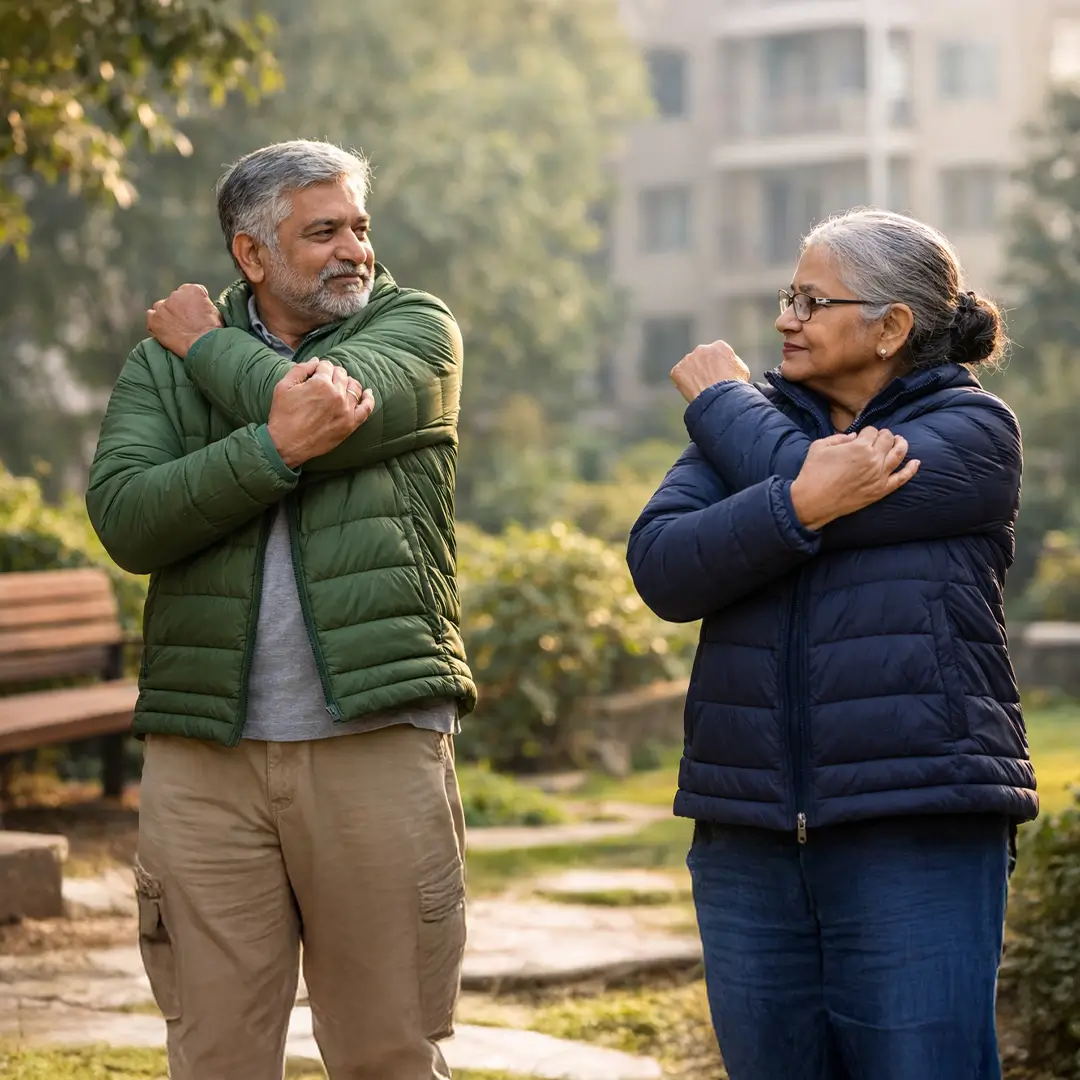
Most seniors benefit from low-impact, joint-friendly activities that are easy to adapt to different ability levels and existing health conditions, which is why they are so often recommended in personalised senior healthcare plans. Walking at a comfortable pace around the home or compound, light stretching, and simple bodyweight exercises such as sit-to-stands from a sturdy chair can be done without equipment, allowing seniors to build confidence before considering more structured elderly care services such as supervised physiotherapy.
Balance-focused movements are especially valuable, as they can lower fall risk and support mobility; standing on one leg while holding a countertop, gentle heel-to-toe walking along a corridor, or very light yoga can all be integrated into a daily routine when approved by a doctor. When possible, short walks in green or well-ventilated spaces add fresh air and a change of scene, and family members or elderly care services teams can encourage this by accompanying seniors, watching for signs of fatigue, and celebrating meaningful progress.
Everyday nutrition foundations for older adults
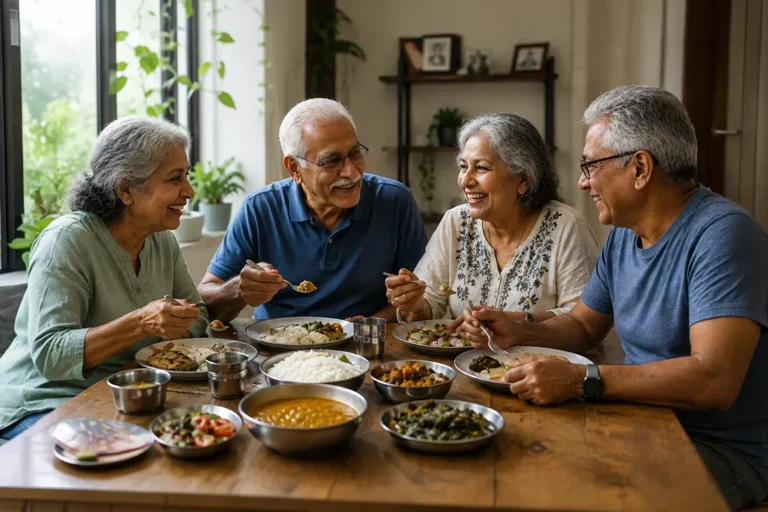
A supportive later-life diet is built on familiar, comforting foods that supply enough protein, fibre, and key micronutrients without feeling heavy or complicated, aligning with the practical aims of modern senior healthcare. Many seniors naturally eat smaller portions as their appetite changes, so including protein in most meals, through lentils, eggs, curd, paneer, fish, or soft meats, helps maintain muscle mass and maximises the benefits of any exercise recommended by doctors or elderly care services professionals.
Fibre from fruits, vegetables, and whole grains keeps digestion regular and can help manage blood sugar and cholesterol, which are frequent focus areas in senior healthcare. Soft-cooked vegetables, lightly spiced dals, and easy-to-chew wholegrain options make it possible to meet these needs even for those with dental difficulties, and elderly care services that provide meals can adjust textures, seasoning, and portion sizes so that food remains both enjoyable and safe to eat.
Hydration, snacking, and mealtime routines
Many older adults unintentionally drink too little water, either because they do not feel as thirsty or because they wish to avoid frequent bathroom visits, which makes hydration a subtle but critical part of senior healthcare. Spacing fluids throughout the day, like small glasses of water, herbal teas, or thin buttermilk, can be easier than expecting large servings, and family members or elderly care services staff can gently prompt sips during existing routines such as medication times or tea breaks.
Light, nourishing snacks help support steady energy between meals: a small bowl of curd, a banana, a handful of nuts if safe, or a slice of wholegrain toast can stabilise blood sugar and prevent the dips in energy that sometimes deter seniors from being active, strengthening the impact of other senior healthcare measures. Regular, predictable mealtimes also help anchor the day; by serving food at consistent times and in calm surroundings, relatives and elderly care services teams can reduce confusion and agitation, especially for those living with memory-related conditions.
How family and elderly care services can help
Families usually provide the first layer of informal support, and simple actions such as joining a short walk, preparing a balanced plate, or helping with gentle stretches can make senior healthcare feel like a shared journey rather than a set of medical instructions. Encouraging, rather than pushing, activity helps preserve dignity; asking, “Would you like to walk to the balcony?” or “Shall we try five sit-to-stands together?” respects choice while still reinforcing healthy habits that may delay the need for higher-intensity elderly care services.
Professional elderly care services add structured expertise when families need guidance, time support, or clinical oversight, ranging from visiting physiotherapists and nutritionists to home nurses who can monitor vitals and adjust routines. When these services align closely with the individual’s preferences and doctor’s advice, they become an extension of compassionate senior healthcare, offering reassurance that someone is tracking progress, watching for early warning signs, and adapting fitness and diet plans as needs evolve.
Where Primus properties fit into senior healthcare
Well-designed senior living communities can make it much easier to stick to healthy routines, and this is where Primus properties can play a quiet but powerful role in everyday senior healthcare. Thoughtfully planned walking paths, safe common areas, and age-friendly infrastructure allow residents to incorporate gentle movement into their day without feeling as though they are “exercising,” while on-site teams can coordinate with doctors and elderly care services providers when more structured support is needed.
Because Primus properties are purpose-built for older adults, services such as meal planning, group fitness sessions, and regular wellbeing activities can be woven into the calendar, making good senior healthcare feel like a natural part of community life rather than a separate task. For families, knowing that a senior lives in a space designed around safety, nutrition, and social connection provides reassurance and allows external elderly care services to integrate smoothly into the resident’s everyday environment.
Building a sustainable, senior-friendly routine
For any plan to last, it must feel achievable, kind, and adaptable, which is why sustainable senior healthcare focuses on rhythms rather than rigid rules. Starting very small—five to ten minutes of movement, one extra glass of water, or adding a serving of vegetables to the day—builds momentum without overwhelming the senior or the family members and elderly care services who support them.
Over time, combining gentle exercise, balanced meals, reliable hydration, and warm, supportive relationships creates a stable framework where seniors can remain active and engaged, even as their abilities change, reflecting the true spirit of person-centred senior healthcare. Families and elderly care services can review routines every few months, keep what works, adjust what does not, and always place comfort, safety, and small daily moments of joy at the centre of life in later years.
FAQs
Q: Is it safe for seniors with chronic conditions to exercise?
A: Most seniors can be active with medical guidance. A doctor or physiotherapist can shape a senior healthcare plan that fits conditions such as arthritis, diabetes, or heart disease, often starting with very gentle, closely monitored movements.
Q: How often should older adults exercise each week?
A: Many guidelines suggest aiming for most days of the week, but quality matters more than perfection; even ten to fifteen minutes of appropriate movement on a regular basis can support effective senior healthcare when combined with good rest and nutrition.
Q: What if a senior is reluctant to change their habits?
A: Start with what they already enjoy—music, walking to the temple, gardening, or light household tasks—and build from there, framing activity as part of comfort and independence rather than as a strict elderly care services “programme.”
Q: When should families consider professional elderly care services?
A: It may be time to explore elderly care services when safety becomes a concern, daily tasks feel consistently difficult, or medical needs are complex enough that family members feel unsure about managing them alone, even with the best intentions.
Q: How can Primus properties support daily routines?
A: Primus properties are designed with older adults in mind, so walking paths, common areas, and curated activities naturally encourage movement, social connection, and better senior healthcare.
Q: Are group activities better than exercising alone?
A: Both have value; some seniors prefer quiet, individual routines, while others feel more motivated in small groups. Community sessions in senior-focused spaces or through elderly care services can add accountability and enjoyment to a senior healthcare plan.
Q: What should families watch for as early warning signs?
A: Notice changes like frequent tiredness, loss of appetite, repeated falls, or withdrawal from favourite activities. These can be cues to revisit the current senior healthcare approach and, if required, bring in professional elderly care services for assessment.
Q: How do we keep from overwhelming a senior with too many changes?
A: Introduce one small change at a time and give it space to become familiar, perhaps a short walk after breakfast or a slightly more protein-rich dinner, so that the overall senior healthcare plan feels gentle and respectful rather than rushed.