Senior wellness and climate change. When you hear these words together, you might wonder how they are even connected. But let's view it from another POV. Have you noticed how summers seem hotter than ever and storms feel more intense these days? It’s not just the weather that’s changing. It’s our world. And, for seniors, these changes present new wellness challenges that simply can’t be ignored.
Now, how exactly does the environment impact their well-being, and what can you do about it? This is the new frontier for senior wellness, one where climate awareness and conscious care are essentials rather than extras.
Why Seniors Are More Vulnerable
It’s not always obvious at first. However, age changes how our body handles stress, especially when the thermometer climbs or the air gets dusty. Seniors don’t adapt as quickly to heat, and chronic conditions common in later years like heart issues or respiratory ailments, making them more sensitive to wild temperature swings, pollution, and other environmental hazards.
So if climate change affects everyone, why is this group at such risk? It’s simple. Their thermoregulation isn’t what it used to be; dehydration can sneak up quickly, and medical complications can spiral. Add to this sometimes limited mobility, a tendency towards living alone, and fixed incomes that make air conditioning and other mitigations expensive, and the stakes just keep rising.
Climate Change Hazards for Senior Wellness
Let’s get specific. Which changes should you watch for as part of effective senior wellness programs?
-
Heatwaves: Prolonged heat increases the risk of heatstroke and dehydration. Urban settings often amplify heat due to the ‘urban heat island’ effect.
-
Air pollution: Wind and storms can raise particulate levels, worsening asthma and lung disease. Poor indoor air quality is a hidden threat if ventilation isn’t adapted.
-
Extreme weather: Floods, droughts, and storms can cut off access to essential medicines or care support, particularly for individuals with limited mobility.
-
Infectious disease: As climates shift, insects and airborne pathogens move into new regions, increasing risks of diseases previously unseen in many communities.
-
Mental health strains: Isolation, disaster-related relocations, and disturbances to routine can trigger anxiety, sleep disruption, or even PTSD in seniors.
The Impact on Everyday Life
The impact of climate change on the everyday lives of seniors can be direct or indirect. Think about the ripple effects. For example, when it gets too hot outdoors, they might not be able to take their morning walks. They will end up spending more time indoors, potentially alone. If air quality is bad, breathing becomes harder, sometimes requiring medical attention. Floods or storms bring a higher risk for seniors, physically and mentally. Every climate hazard can spark a chain reaction that impacts both health and happiness.
Adapting Senior Wellness Programs to Climate Change
The need for senior wellness programs that proactively address environmental risks is urgent. Gone are the days when wellness meant just regular check-ups and daily exercise. Now, forward-thinking care programs are:
-
Tracking weather alerts and communicating risks.
-
Planning shaded outdoor areas and cool indoor zones.
-
Installing air purifiers and promoting green plants that freshen the air.
-
Stocking emergency supplies and prepping for power outages.
-
Including mental health checks like emphasising connection, resilience, and accessible counselling.
-
Coaching on nutrition and hydration adapted to the climate.
Facilities like Primus Senior Living lead the way in designing environments and activities with these changes in mind, bringing best practices into daily life.
Senior Wellness Tips for a Changing Climate
You may be thinking, “What can I actually do to keep my elders safe and comfortable?” The good news is, small efforts make a big difference. Here are practical senior wellness tips for families, caregivers, and seniors themselves:
-
Hydrate more than you think: Encourage water every hour, offer fruits with high water content, and limit coffee or alcohol.
-
Dress for the climate: Choose breathable fabrics and light colours to reflect rather than absorb heat.
-
Plan activities smartly: Go outside early in the morning or after sunset when temperatures are lower, and stay in cool, shaded areas during peak hours.
-
Monitor indoor air: Keep windows closed on high-pollution days, run fans or air conditioners, and use air-purifying houseplants.
-
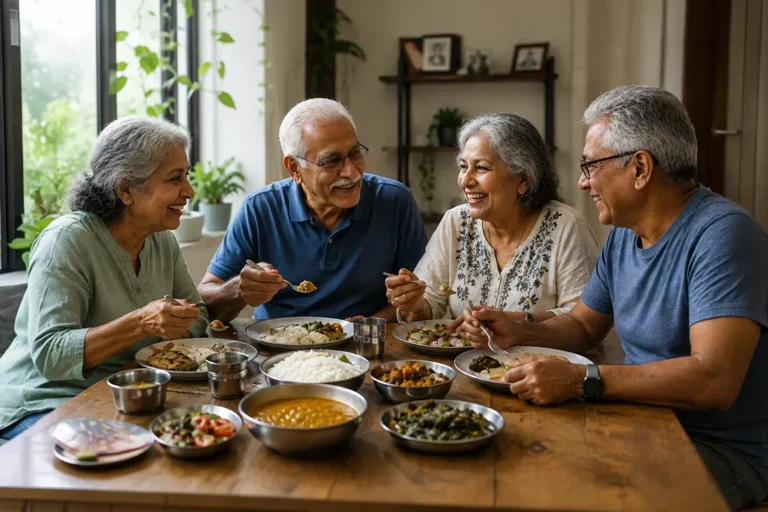
Eat light, eat right: Emphasise salads, seasonal vegetables, and light proteins; avoid heavy meals that demand a lot from the digestive system.
-
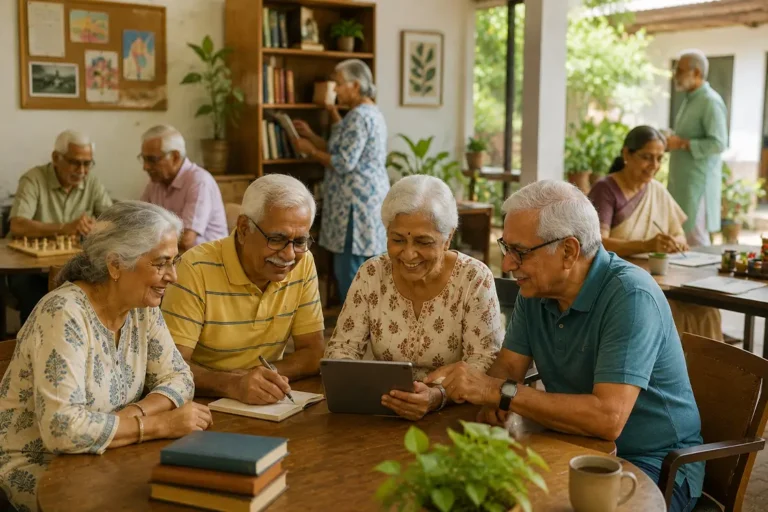
Stay socially connected: Set up regular calls, online chats, or safe gatherings, especially after extreme weather events.
-
Prepare for emergencies: Create a checklist of medicines, contacts, and go-bags in case evacuation is needed.
The Role of Family and Community
No one should do it alone, especially in later years. Families play a critical role by:
-
Checking on elderly relatives during weather alerts.
-
Helping install air filters, maintain cooling devices, and organise emergency kits.
-
Encouraging healthy routines and keeping up social invitations, even digitally.
-
Advocating for community resources like cooling centres, health workshops, and accessible transport.
Communities that value senior wellness become safer and more inclusive for every age group.
Thoughtful Care at Primus Senior Living
Primus Senior Living isn’t just about housing for seniors. It's about creating a supportive lifestyle that responds to new challenges. Their senior wellness programs are designed with climate resilience, featuring cool architecture, protected common areas, and flexible social calendars. Their teams are proactive in monitoring environmental risks, supporting hydration and nutrition, and nurturing connections.
The Path Forward: Turning Awareness Into Action
Climate adaptation for seniors requires everyone to rethink “wellness.” It means building environments that anticipate extreme weather, designing routines that change with seasons, and staying vigilant against emerging risks.
Climate change is the challenge of our generation, but it’s also an opportunity to rethink senior wellness. By weaving climate resilience into personal habits, care programs, and community design, we can keep seniors happy and thriving. The most thoughtful care remains human, i.e., responsive, adaptive, and filled with compassion.
Let’s be intentional. Let’s plan for comfort. Let’s offer expertise and empathy as we chart wellness in a changing world.
Primus Senior Living understands that adapting senior wellness to climate challenges requires more than just awareness; it demands intentional design and heartfelt care. With thoughtfully planned homes and wellness programs, Primus creates environments where seniors can thrive comfortably, safeguarding health even as the climate shifts. Wondering how it is to live in a world like that? Come, visit us and experience it all by yourselves!
FAQs
1. How does climate change affect senior wellness compared to younger adults?
Seniors generally have reduced thermoregulation, more chronic conditions, and less mobility, making them disproportionately sensitive to heat, pollution, and weather changes.
2. What are the essential features of climate-adapted senior wellness programs?
They include proactive weather alerting, cool and shaded spaces, air purification, hydration guidance, mental health support, and emergency preparedness.
3. Can seniors still stay active with climate change challenges?
Absolutely! The key is to shift routines, i.e., exercise indoors when it’s hot, walk in the evenings, and prioritise activities that don’t risk dehydration or exhaustion.
4. How can families help senior relatives during extreme climate events?
Monitor weather updates, check on elders often, prepare emergency kits, help with cooling devices, and encourage social connections to combat isolation.
5. Why do facilities like Primus Senior Living focus on climate resilience in their wellness programs?
Because senior wellness isn’t static: new risks require new answers, and care homes that anticipate climate changes keep residents safer, healthier, and happier.