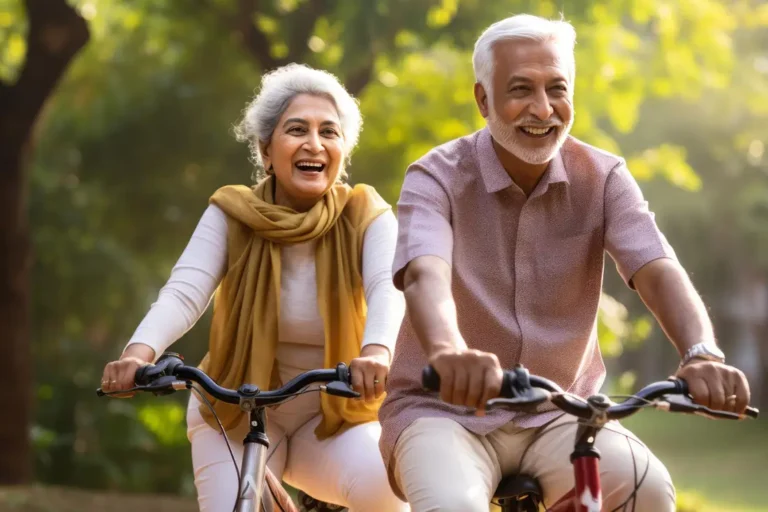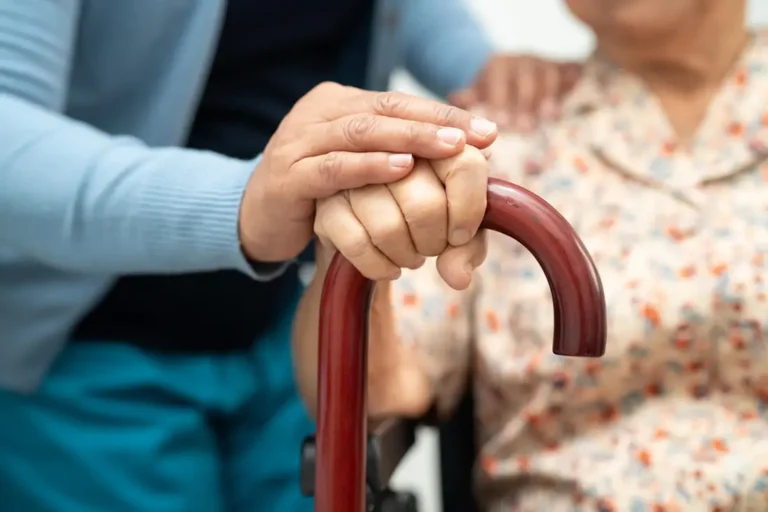
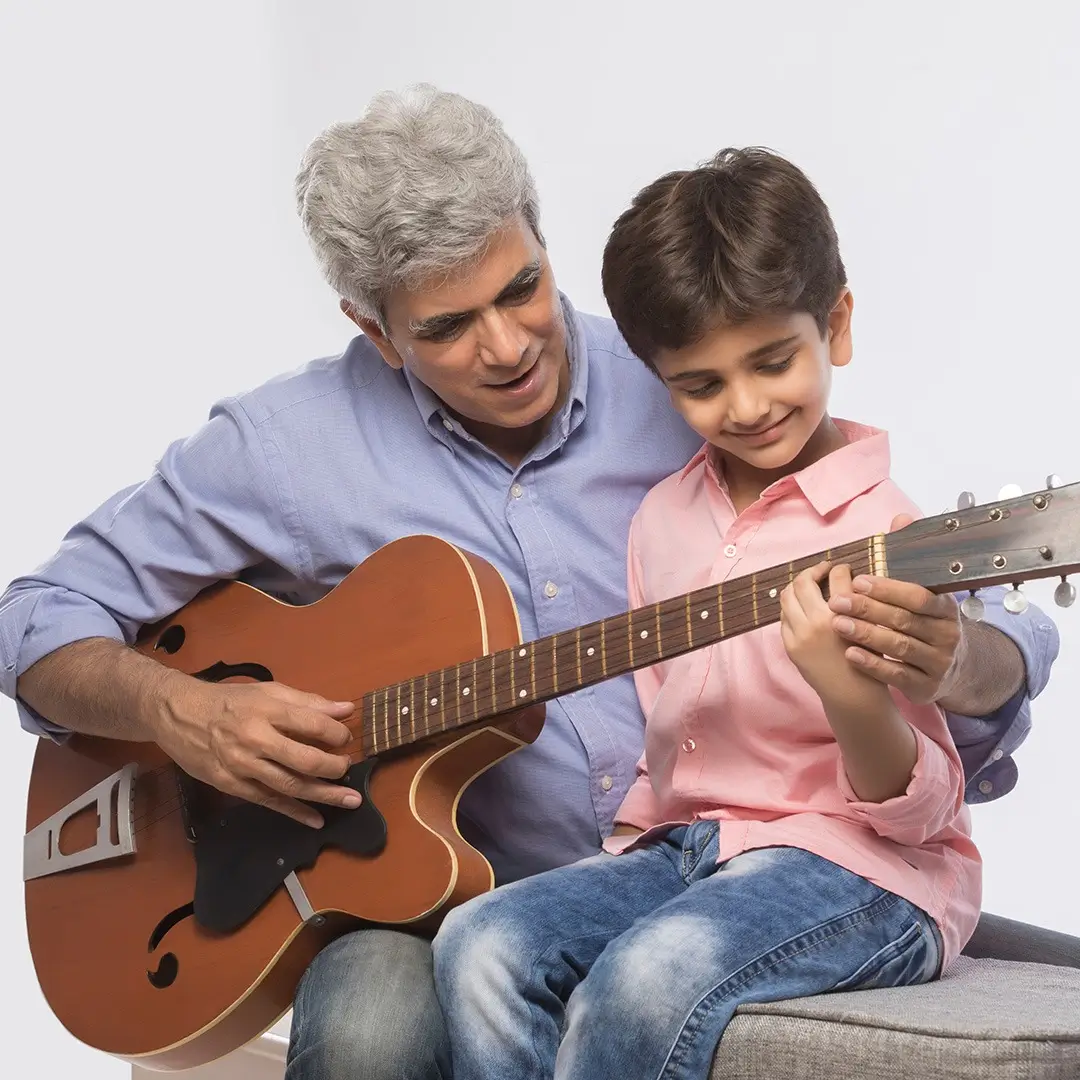
As life expectancy continues to rise, India is witnessing a dynamic demographic shift. This transformation presents us with an incredible opportunity: the revival and reimagining of intergenerational learning. This innovative approach fosters meaningful connections between older adults and young learners, promoting the exchange of knowledge, skills, and invaluable life experiences.
In a country rich with cultural traditions that emphasise respect for elders and the value of stories, intergenerational learning builds on these time-honoured values. It creates a structured framework in which individuals from varying age groups come together to learn from one another. The benefits are both profound and far-reaching, offering renewed purposes for seniors alongside emotional support and lifelong learning for younger generations.
This blog examines the profound impact of intergenerational learning, its alignment with the ethos of Primus communities and why fostering these connections is crucial for creating a brighter future for all. Discover how bridging the gap between ages can build a thriving, cohesive society that values the insights of its elders while embracing the energy and creativity of its youth.
With the rise in the older population, a new phenomenon has emerged called intergenerational learning. Many older adults possess interests and skills that can significantly contribute to students’ learning. They can serve as meaningful members of paid staff or as volunteers.
What is Intergenerational Learning
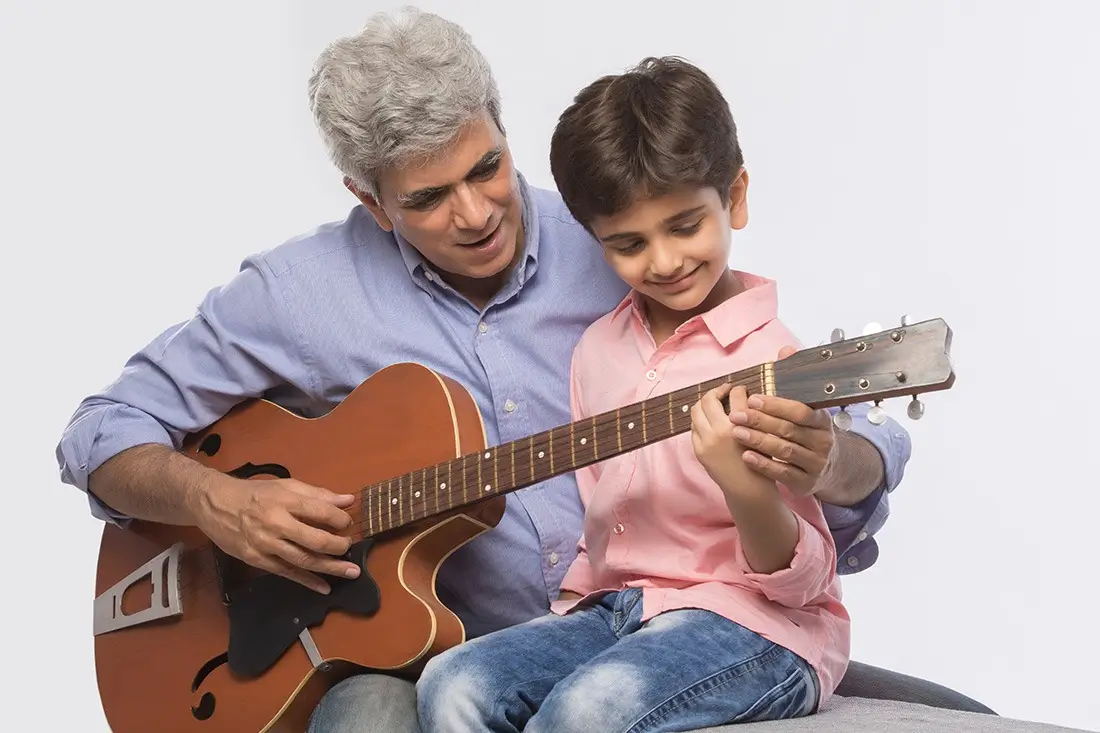
According to UNESCO, intergenerational learning refers to programmes that enable meaningful, structured exchanges of knowledge, skills and values between older and younger generations. Unlike traditional learning environments, where knowledge flows one way from teacher to student, intergenerational learning is reciprocal. Each generation gains something of value. Young people benefit from mentorship, emotional confidence, social support, and real-world wisdom. Older adults, on the other hand, benefit from intellectual stimulation, companionship, purpose, and exposure to new technologies and modern thinking.
In Indian culture, these ideas have always existed informally through joint families, festivals, storytelling traditions and shared rituals. Today, they are being formalised to support broader educational, social and emotional outcomes for communities of all ages.
The Educational and Social Benefits of Intergenerational Learning
Research from schools, senior living communities, and social organisations around the world shows that when generations learn together, both groups flourish. Some of the most significant advantages include:
Improved Literacy and Communication Skills
A well-documented programme at Downshall Primary School in Ilford, East London, involved older adults volunteering in classrooms. Within months, teachers saw dramatic improvement in students’ reading, comprehension and communication abilities.
Preserving History, Culture and Values
Seniors have a vast knowledge of cultural practices, family histories, regional traditions and life experiences. Through intergenerational lifelong learning interactions, children gain access to stories, cultural fables and moral lessons that cannot be found in textbooks. This exchange not only supports academic learning but also creates a stronger sense of identity and belonging for younger generations.
Enhanced Social and Emotional Development
Intergenerational learning fosters empathy, respect and emotional maturity in children. Studies show that kids who are part of these programmes have fewer behavioural issues, improved confidence and greater emotional regulation when compared to other children.
Cognitive Stimulation for Seniors
Engaging with youngsters helps keep seniors mentally active. Reading together, discussing school projects, sharing hobbies and participating in group workshops challenge cognitive abilities and slow age-related decline. This is why intergenerational interactions are often integrated into senior wellness programmes in communities like Primus.
Building Stronger, Inclusive Communities
Intergenerational learning bridges generational divides, reduces stereotypes and creates a shared sense of purpose. When different age groups interact regularly, communities become more cohesive.
Intergenerational Living and Lifelong Learning in Modern Senior Communities
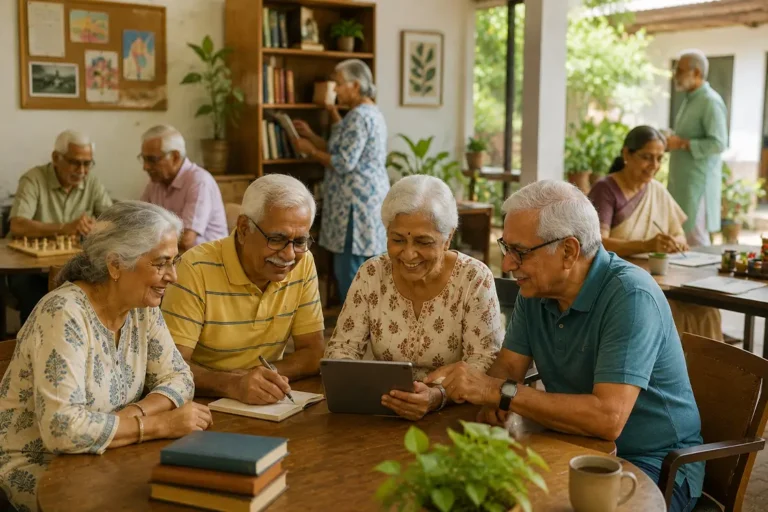
As India’s lifestyle patterns shift, forward-thinking developers like Primus are creating spaces where seniors can stay connected with peers, younger family members, volunteers, neighbourhood schools and the broader community.
Intergenerational programmes in these environments include:
-
Reading circles with children
-
Skill-sharing workshops for crafts, gardening, music and languages
-
Technology mentoring, where seniors learn from youth
-
Cultural storytelling sessions
-
Joint celebrations, festivals and value-based activities
-
Community service initiatives
These interactions reinforce the idea of lifelong learning, where seniors and youth continue to expand their knowledge, perspectives and capabilities into every stage of life.
How Primus Integrates Intergenerational Learning
Primus communities are designed around connection, engagement, and continuous growth. Intergenerational elements are woven into the physical layout, activity programming and service philosophy.
Shared Activity Zones
Common areas such as hobby rooms, libraries, gardens and wellness centres support organic interactions, irrespective of the age groups.
Partnerships With Schools and Local Groups
Many Primus programmes invite local schools, NGOs and enterprises to conduct collaborative events, workshops and celebrations.
Volunteer and Mentorship Opportunities
Seniors who wish to contribute their skills, whether in music, language, arts, business or academics, are encouraged to lead sessions for younger community members.
Technology-Based Learning
Children often help seniors learn digital tools like smartphones, apps and the new phenomenon of AI, while seniors offer wisdom and perspective, creating reciprocal learning ecosystems.
By creating environments that value curiosity, connection and purpose, Primus actively supports the well-being of seniors while enriching the learning experiences of younger generations.
Why Intergenerational Living Supports Lifelong Learning
The concept of lifelong learning is, of course, about academics; but more importantly, it is about staying mentally active, socially connected and emotionally engaged. Intergenerational programmes naturally reinforce this model by:
-
Providing seniors with new knowledge and contemporary perspectives
-
Keeping them connected with evolving cultural and technological trends
-
Encouraging young people to view learning as a constant, multi-directional process
Conclusion
Intergenerational living is a powerful educational framework that benefits individuals, families and communities. It encourages empathy, strengthens literacy, preserves culture, and supports mental and emotional wellness. Most importantly, it embraces the idea that lifelong learning is not limited by age.
By integrating opportunities for meaningful interaction between generations, Primus is helping shape communities that are connected, compassionate and future-ready. Whether through structured programmes or spontaneous everyday interactions, seniors and younger learners both gain lifelong learning from these measures and grow alongside each other.
FAQs
1. What is intergenerational learning?
Intergenerational learning refers to structured or informal interactions where older adults and younger people learn from each other by sharing skills and exchanging knowledge.
2. How does intergenerational learning benefit seniors?
It keeps seniors socially connected, mentally stimulated, emotionally fulfilled and gives them a renewed sense of purpose.
3. How does intergenerational learning help children?
Children gain confidence, improve communication skills, strengthen cultural understanding and benefit from the mentorship and emotional support seniors provide.
4. Why is lifelong learning important in senior living communities?
Lifelong learning helps seniors stay active, engaged, adaptable, and curious, contributing to healthier ageing and improved wellbeing.
5. How does Primus support intergenerational programmes?
Primus offers shared activity zones, partnerships with schools, mentorship opportunities and collaborative learning initiatives to support purposeful engagement between generations.